

Fieldwork and Field Trips
Fieldwork and Field Trips
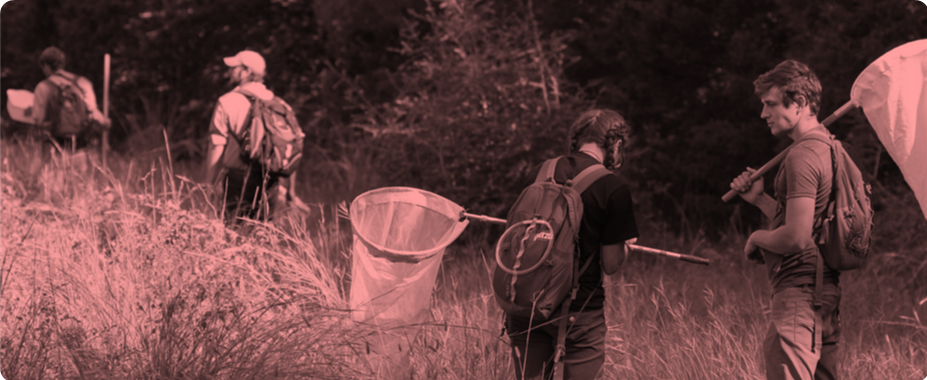
Physical fieldwork immerses students in real-world environments to apply theoretical knowledge. XR and virtual field trips offer scalable, interactive alternatives when access is limited.
Alternative/linked methods: Virtual Field Trips (VFTs), Immersive Learning Experiences, Simulated Fieldwork, Community-Based Learning (CBL), Place-Based Education, Group Field Projects
Why?
- Deepens learning through real-world engagement
- Builds scientific identity and confidence
- Develops transferable skills
- Supports inclusion and access
How?
- Define learning outcomes and safety protocols
- Introduce field methods, site context, and equipment
- Use XR or VFTs to preview sites or train students
- Conduct observations, collect data, and engage in inquiry-based tasks
- Provide real-time feedback and formative assessment
When?
- In environmental science, geography, geology, ecology, archaeology, and sustainability education
- For introductory or advanced field methods, capstone projects, or community-based learning
- When physical fieldwork is feasible, as the primary mode of experiential learning
- When field access is limited, use XR/VFTs to simulate environments, preview field sites, or reinforce learning post-trip
Get Started
- Organise a local field trip with structured data collection tasks
- Use XR platforms to simulate climate change impacts or explore remote ecosystems
- Combine physical fieldwork with virtual overlays to visualise changes
- Assign pre-trip virtual explorations to build familiarity and reduce anxiety
Digital Enhancement
- XR-enhanced fieldwork: Use AR/VR to augment physical trips with layered data or simulations
- Virtual field trips: Use 360° imagery, interactive maps, and adaptive feedback tools
- Hybrid models: Combine local, self-guided fieldwork with virtual exploration
- Asynchronous options: Allow students to complete field-inspired tasks in their own environments, supported by digital tools
Resources
- Jones, J.C. and Washko, S. (2022) “More than fun in the sun: The pedagogy of field trips improves student learning in higher education,” Journal of Geoscience Education, 70(3), pp. 292–305.
- Cheng, K.-H. and Tsai, C.-C. (2019) “A case study of immersive virtual field trips in an elementary classroom: Students’ learning experience and teacher-student interaction behaviors,” Computers & Education, 140.
- Mead, C. et al. (2019) “Immersive, interactive virtual field trips promote science learning,” Journal of Geoscience Education, 67(2), pp. 131–142.
- Rohlf, G., 2015. How to make field trips fun, educational, and memorable: Balancing self-directed inquiry with structured learning. Journal of Geography, 114(3), pp.113-124. https://doi.org/10.1080/00221341.2014.1003177
- Mauro, N. et al. (2023) “An Intelligent Support System to Help Teachers Plan Field Trips,” International Journal of Artificial Intelligence in Education : Official Journal of the International AIED Society, 34(3), pp. 793–824.